
Diamonds
16 articles from the Journal
Diamonds come with more jargon than any other part of jewellery buying. These guides explain the 4Cs in plain terms, the difference between natural and lab-grown stones, how lab-grown diamonds are made, and how they compare with moissanite and cubic zirconia. They cover black diamonds, which shapes suit men's pieces, how to read a grading certificate and how IGI and GIA reports differ. They are meant to help a man, or someone buying for one, ask the right questions before paying for a stone.
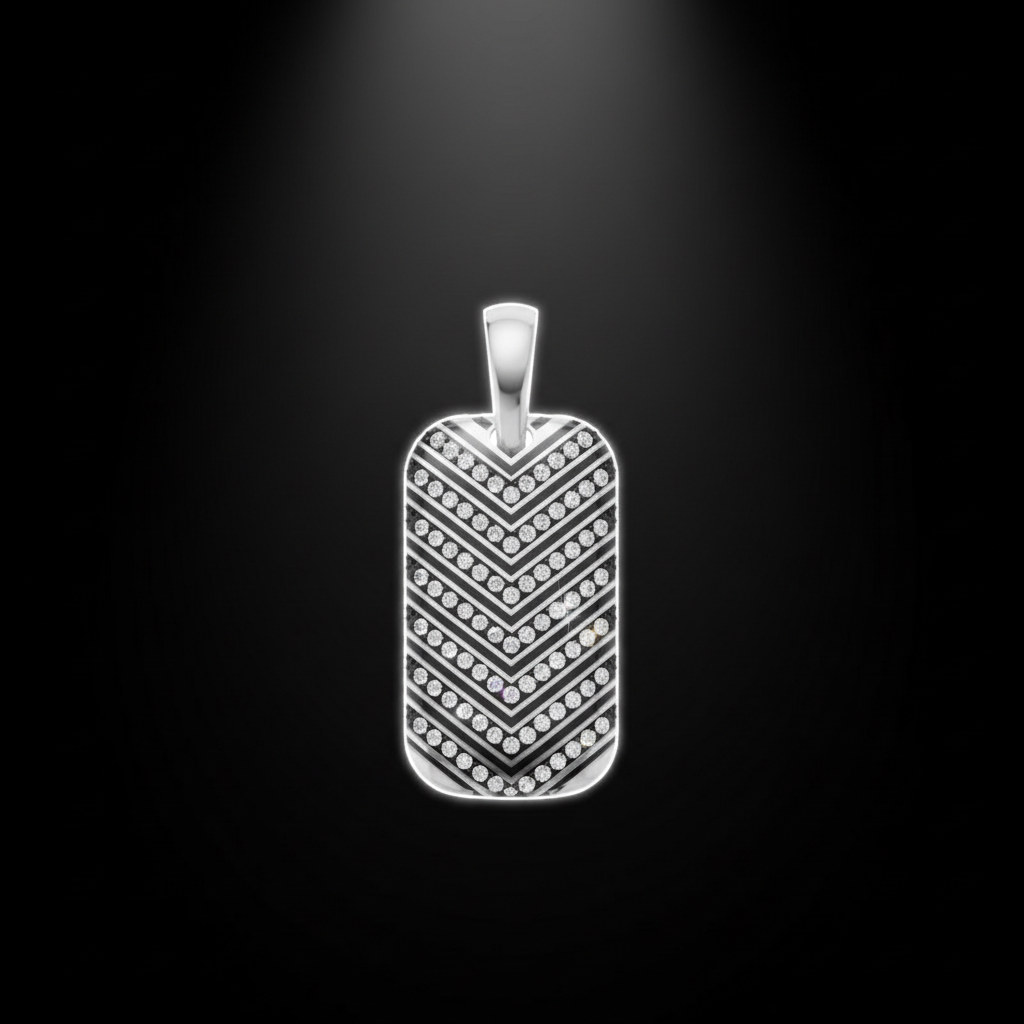
Black Diamond Jewellery for Men: A Piece-by-Piece Guide
Black diamond jewellery for men covers rings, studs, pendants, bracelets, kadas and cufflinks set with real black diamonds, which may be natural in colour, treated or lab-grown. Start with one piece that suits how you dress, choose a low, protective setting, and get the stone type, any treatment and the metal in writing.
AXIOM Journal
Oct 14, 2026

Lab Grown Diamond Mangalsutra: Price, Designs and What to Check
A lab grown diamond mangalsutra is a mangalsutra set with laboratory-grown diamonds, which are real diamonds with the same composition and hardness as mined ones. In India it usually comes in 14K or 18K gold, costs less per carat than a natural diamond design, and should be invoiced as laboratory-grown, with the gold hallmarked.
AXIOM Journal
Oct 14, 2026
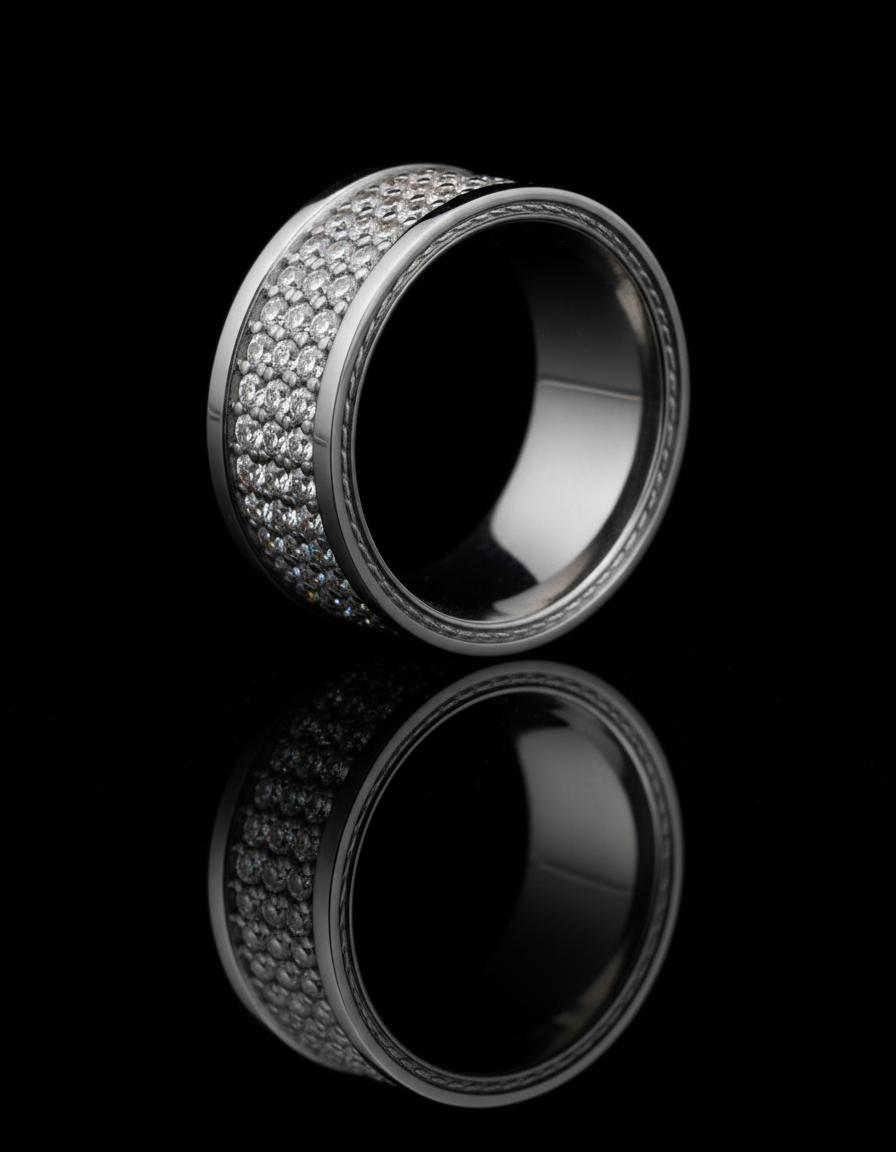
Lab-Grown Diamond Engagement Ring in India: Price and Buying Guide
A lab-grown diamond engagement ring in India gives you a real diamond, with nearly the same chemical, optical and physical properties as a mined one, for far less. At the time of writing, 1 carat lab-grown solitaires in 14K or 18K gold were listed from about ₹57,000 to ₹90,000. The trade-off is resale value, which is very low.
AXIOM Journal
Oct 14, 2026
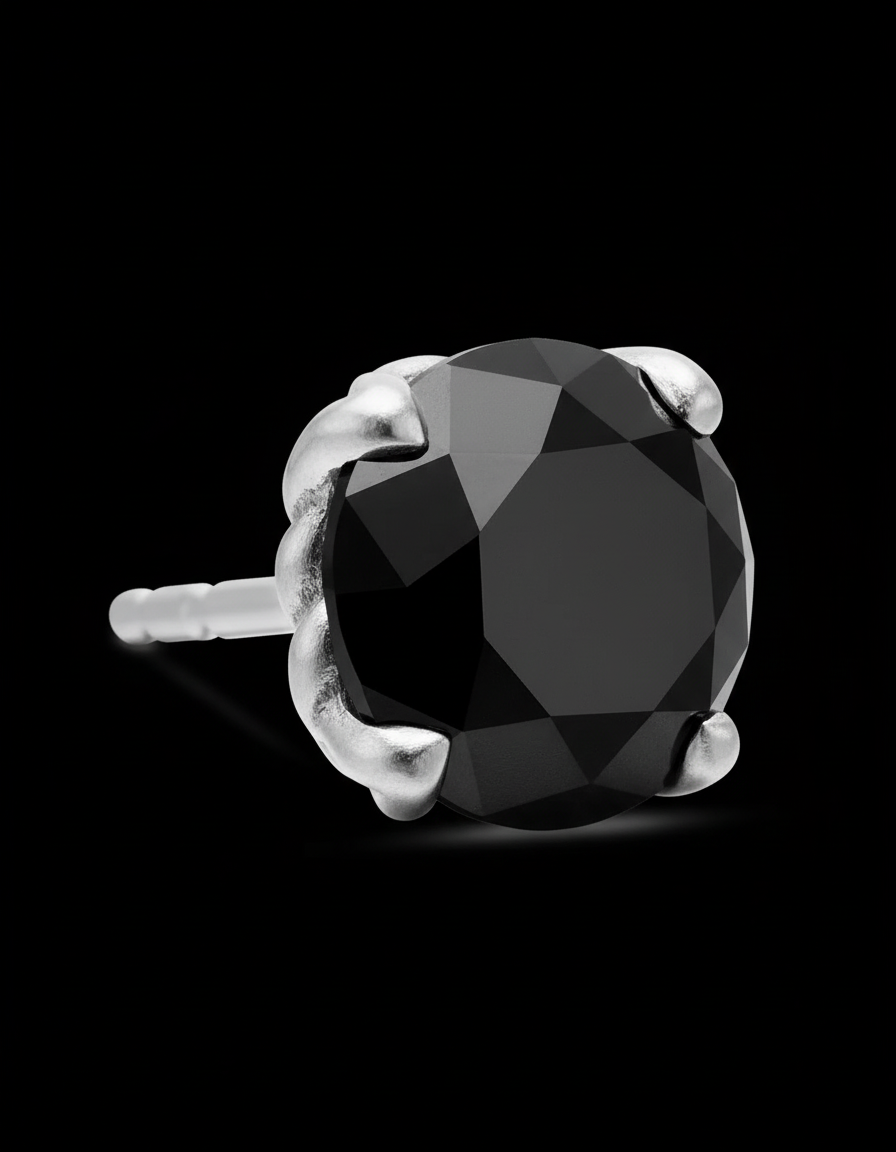
Can Men Wear Diamonds? Where a Diamond Looks Right on a Man
Yes, men can wear diamonds, and Indian men have done so for centuries. A diamond looks right on a man when it is small, low and set in a solid piece: a single stud, a band with flush-set stones, a pendant, a bracelet or a lapel pin. Black diamonds read as quieter than white.
AXIOM Journal
Oct 10, 2026
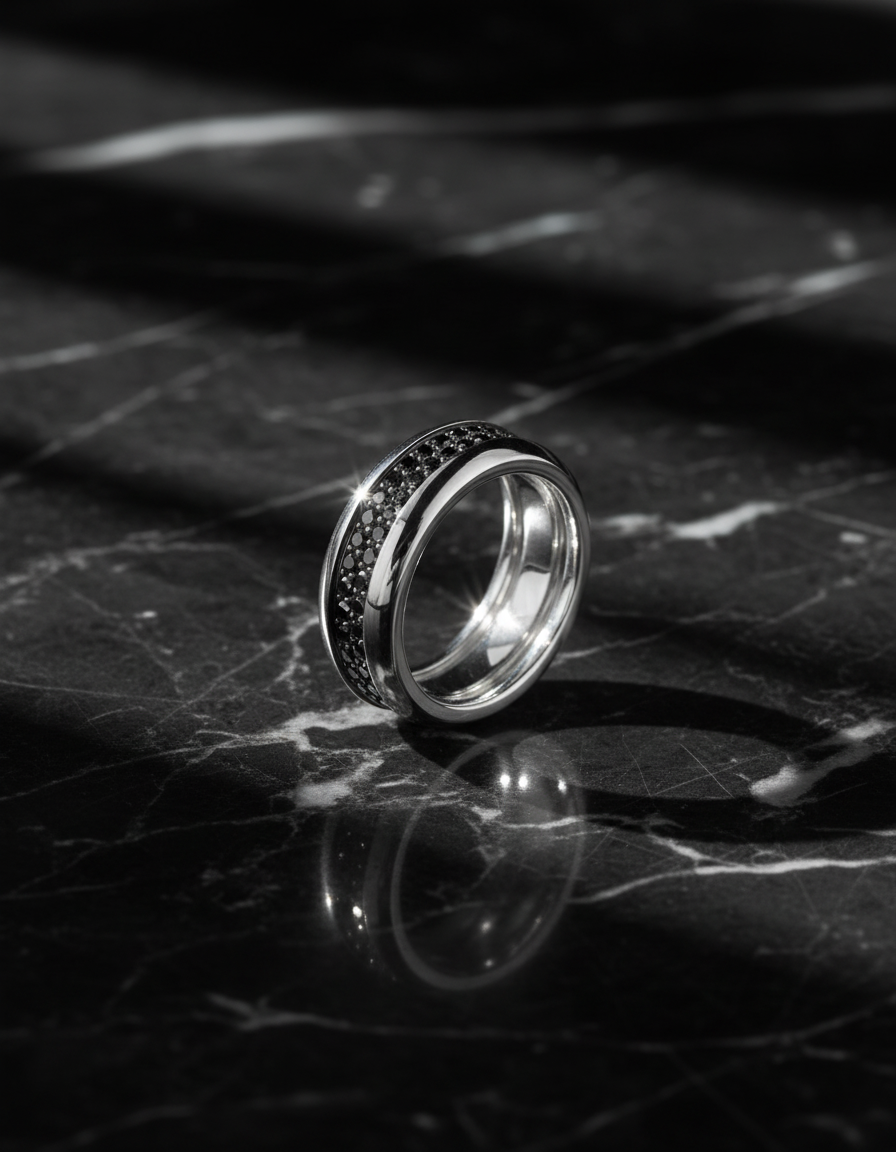
Diamond Shapes for Rings: Which Shapes Suit Men's Jewellery?
The best diamond shapes for men's rings are round, cushion and emerald-type step cuts, because they have no sharp points to chip on a hand that works. Princess, marquise and pear shapes suit men too, but only with V-prongs or a bezel guarding their corners. In bands, small rounds, princess cuts and baguettes set in rows dominate.
AXIOM Journal
Oct 10, 2026
How to Check if a Diamond Is Real at Home (and What Tests Miss)
You can only partly check a real diamond at home. A loupe, the metal stamp and the grading report help; fog, water and newspaper tests are unreliable. No home test, and no handheld thermal or electrical tester, can tell a lab-grown diamond from a natural one. For that you need a gemmologist or a lab.
AXIOM Journal
Oct 10, 2026
How to Read and Verify a Diamond Certificate Before You Buy
To read a diamond certificate, start with the laboratory and report number, check the shape, measurements and carat weight against the stone, then read the colour, clarity and cut grades, fluorescence and comments. Confirm natural or laboratory-grown origin, verify the number on the lab's own website, and match it to the laser inscription on the girdle.
AXIOM Journal
Oct 10, 2026
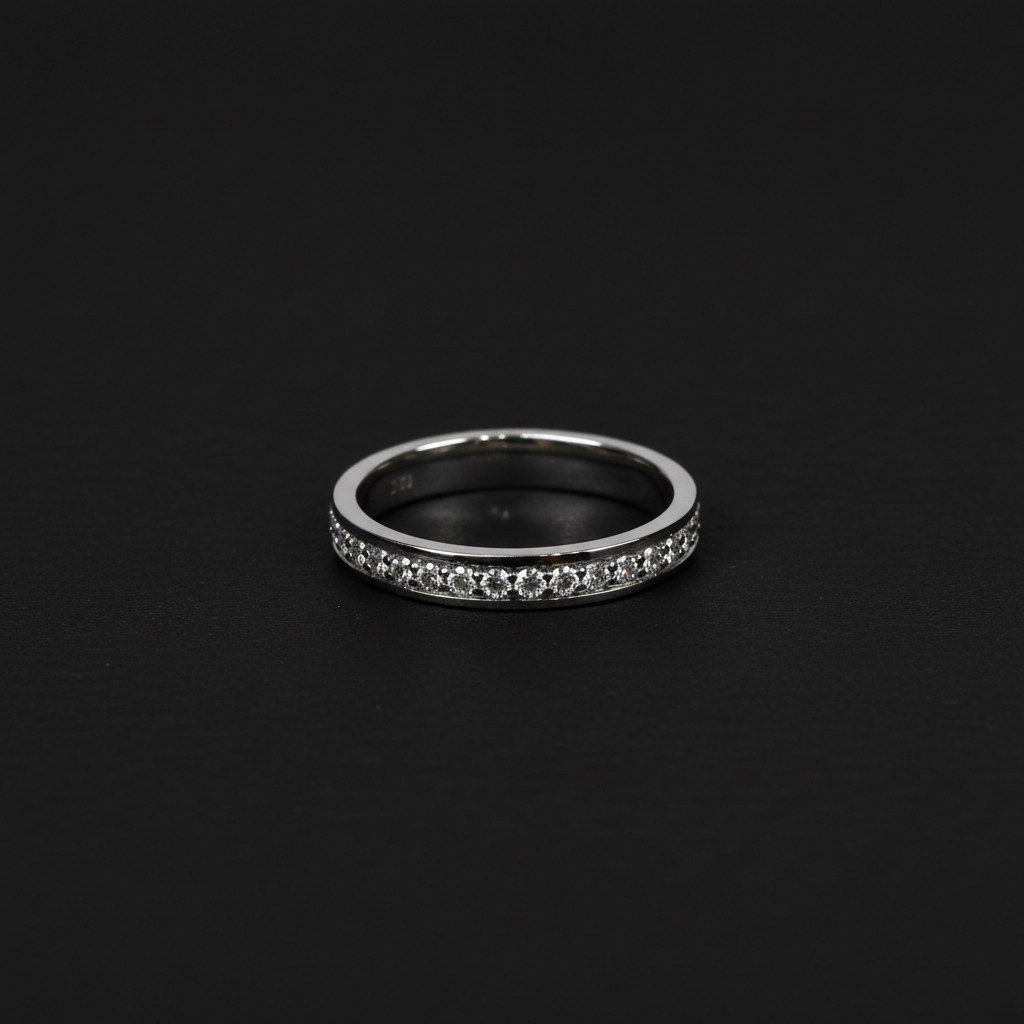
Lab-Grown Diamond vs Moissanite vs Cubic Zirconia: Differences
A lab-grown diamond is diamond: carbon, 10 on the Mohs scale. Moissanite is a different material, silicon carbide, at 9.25 with more than twice diamond's fire. Cubic zirconia, sold in India as American diamond, is zirconium oxide at 8 to 8.5. For daily wear over decades, diamond is hardest; moissanite is the durable lower-cost look-alike.
AXIOM Journal
Oct 10, 2026
The 4Cs of Diamonds Explained for Men's Jewellery
The 4Cs of diamond are cut, colour, clarity and carat weight, the grading system GIA developed in the mid-twentieth century. Cut decides how bright a diamond looks, colour runs from D (colourless) to Z, clarity has 11 grades from Flawless to I3, and one carat is 200 milligrams. For appearance, cut matters most.
AXIOM Journal
Oct 10, 2026
IGI vs GIA: Which Diamond Certificate Should You Trust?
IGI vs GIA comes down to what you are buying. Both are established independent laboratories that grade natural and lab-grown diamonds and publish online report checks. GIA, a nonprofit founded in 1931, created the 4Cs and is the usual reference for natural stones. IGI, grading since 1975, issues detailed lab-grown and jewellery reports. Either beats an in-house certificate.
AXIOM Journal
Oct 10, 2026
Black Diamond Meaning: What It Symbolises in a Man's Jewellery
A black diamond has no single fixed meaning. In modern jewellery it is most often read as strength, individuality and quiet confidence, and in a wedding band as commitment worn in an understated way. These are modern associations, not ancient doctrine. Gemmologically, it is a diamond turned black by countless tiny dark inclusions.
AXIOM Journal
Oct 8, 2026
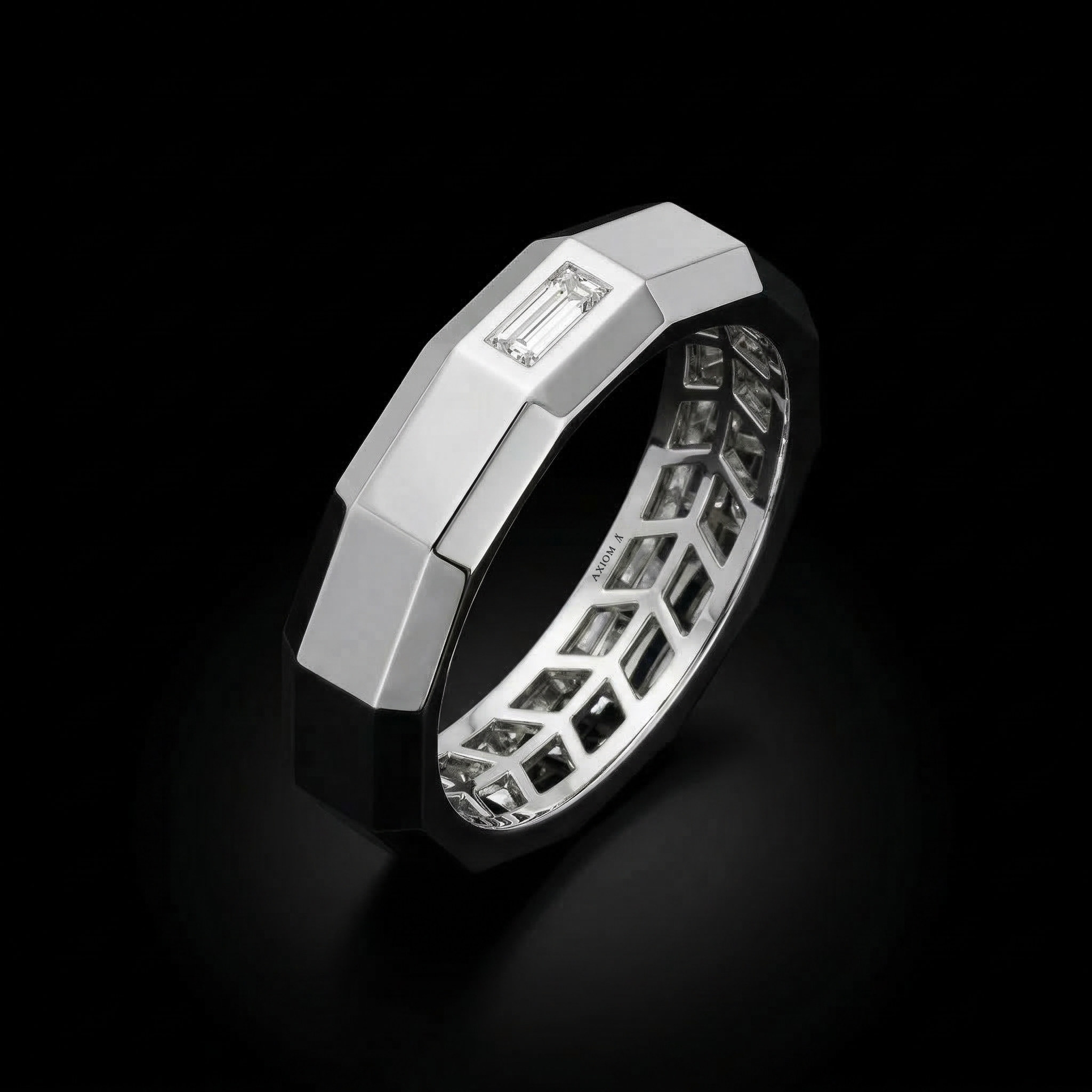
Are Lab-Grown Diamonds Real? CVD, HPHT and How They Are Made
Yes, lab-grown diamonds are real diamonds. They are crystallised carbon with essentially the same chemical composition, crystal structure, hardness and optical properties as mined diamonds, according to GIA. The difference is origin: they are grown in weeks by the CVD or HPHT method, and in India they must be sold as laboratory-grown diamonds.
AXIOM Journal
Oct 7, 2026
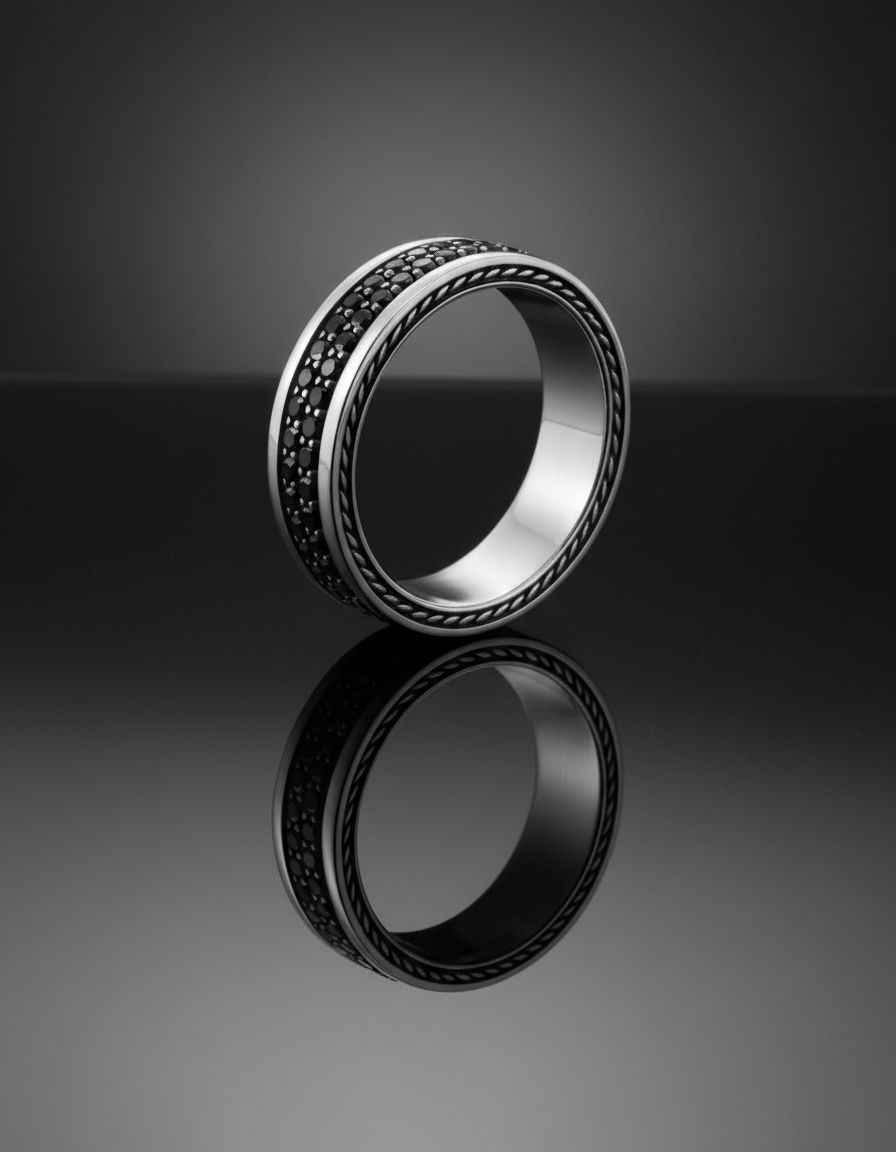
Why Are Black Diamonds Cheaper Than White Diamonds?
Black diamonds usually cost less than white diamonds of the same carat weight because most are heavily included stones, often treated to turn black, that would be low-grade as white diamonds. They also have no colour or clarity grades to build price tiers on, and demand is far smaller. Natural-colour black stones with lab reports cost more.
AXIOM Journal
Oct 3, 2026
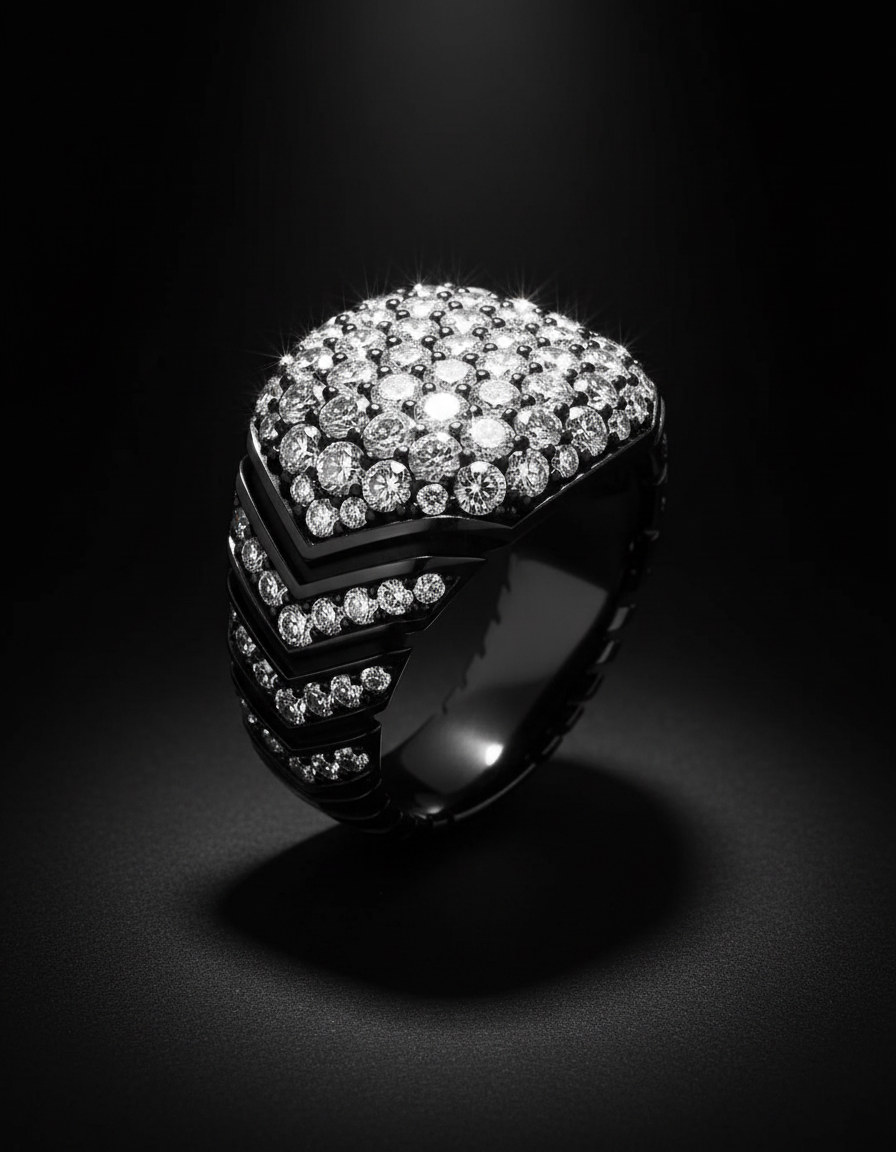
Lab-Grown Diamond Jewellery for Men in India: A Buyer's Guide
Before buying lab-grown diamonds for men in India, check five things: the invoice must say laboratory-grown diamond with total carat weight, any certificate must verify online and match the stone, gold should be hallmarked with an HUID (silver hallmarking is voluntary), the setting must be secure, and the return and after-sales terms must be clear. Price depends on stone quality, metal and making.
AXIOM Journal
Oct 3, 2026
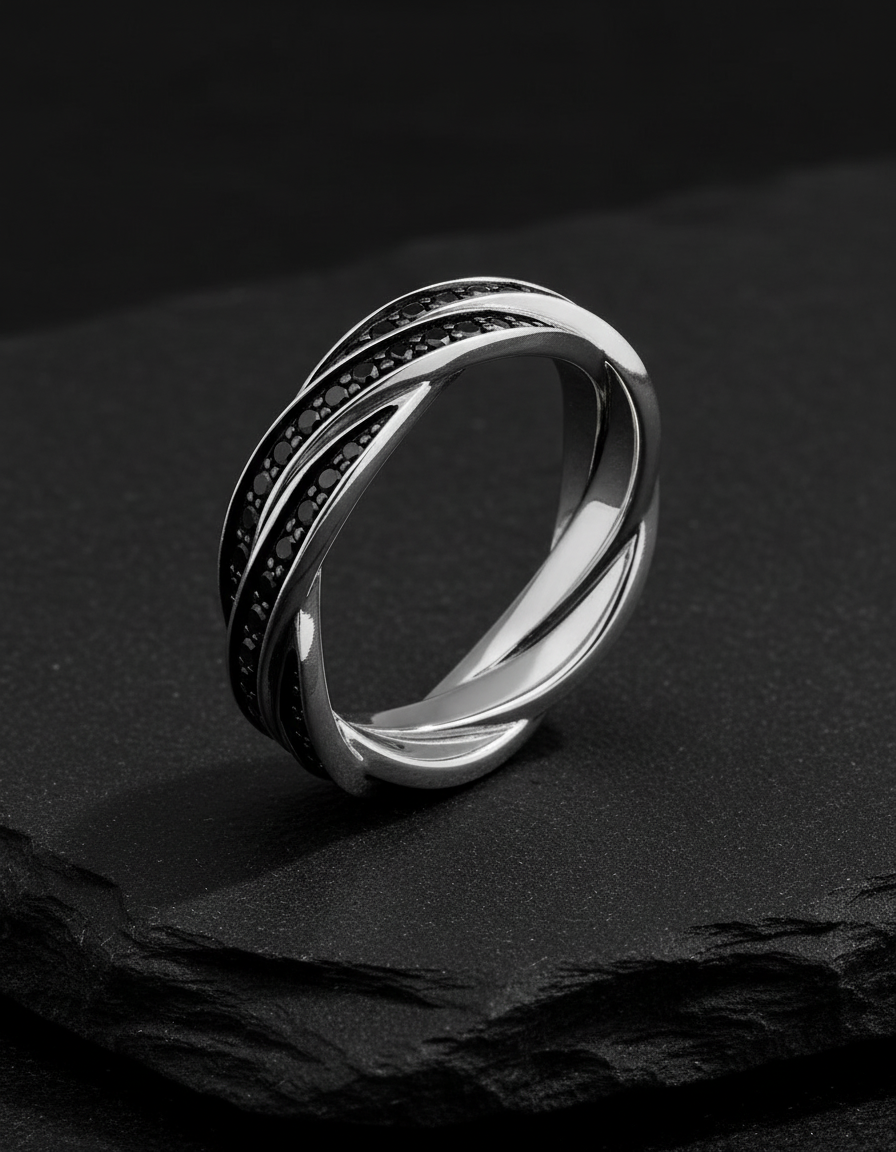
Are Black Diamonds Real? What Makes Them Black and How to Tell
Yes, black diamonds are real diamonds. A black diamond is pure carbon crystal, 10 on the Mohs scale, like a white diamond; its colour comes from dense inclusions such as graphite, or a polycrystalline structure called carbonado. Many black diamonds sold are natural stones treated to deepen colour, and lab-grown blacks also exist, so ask what you are buying.
AXIOM Journal
Sep 29, 2026
Natural vs Lab-Grown Diamonds: What Every Man Should Know
Natural and lab-grown diamonds are the same material: crystallised carbon with the same hardness and sparkle, and only a gem laboratory can reliably tell them apart. The real differences are origin, price and resale. Laboratory-grown stones cost far less and keep getting cheaper; natural stones cost more and resell for more, though rarely near the purchase price.
AXIOM Journal
Apr 14, 2026