
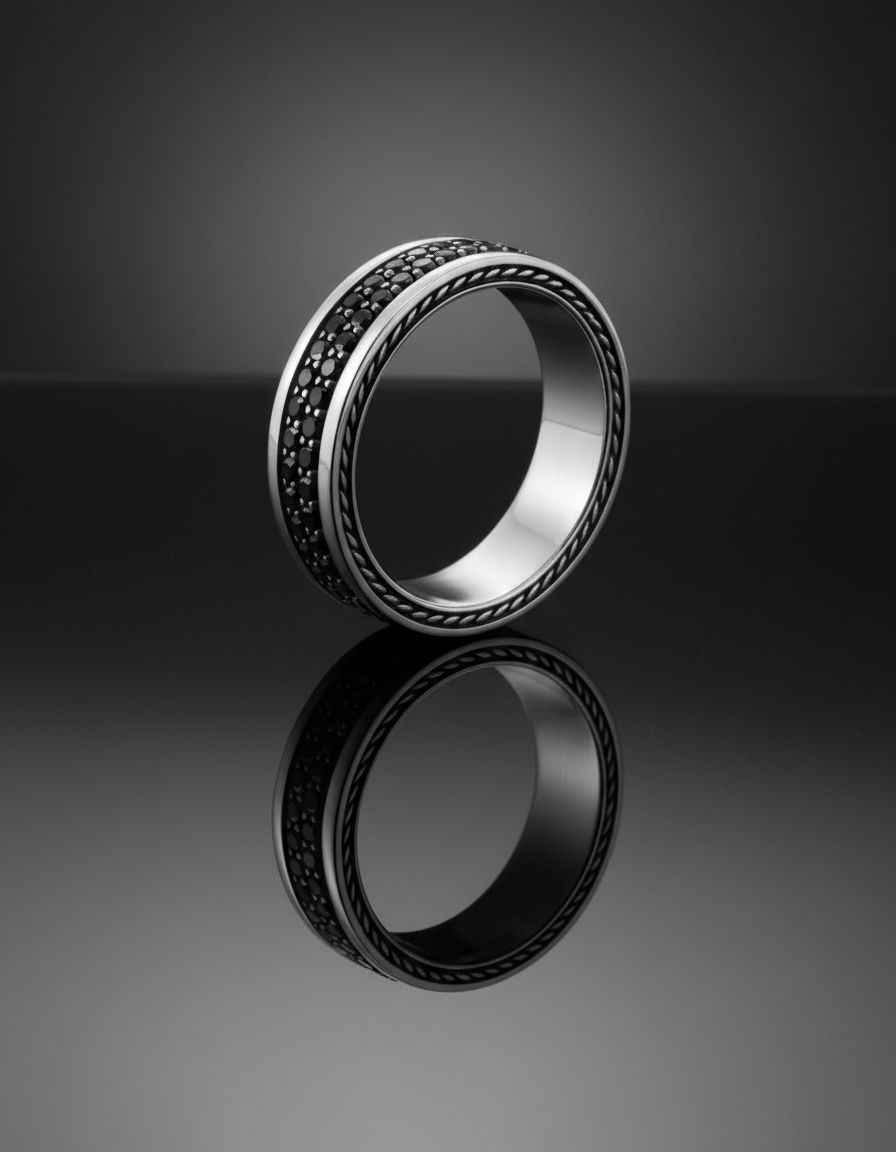
In the West, 14K is the everyday karat and 18K the upgrade. In India the default has always been 22K, so 14K and 18K arrive as the "lighter" options, usually in diamond and white gold jewellery. The choice between them is about how a piece is worn and what you want from the metal.
14K vs 18K gold at a glance
The core difference is gold content: 58.5 percent in 14K against 75 percent in 18K. More alloy makes 14K harder and cheaper; more gold makes 18K richer in colour and value.
| Factor | 14K gold | 18K gold |
|---|---|---|
| Gold content | 58.5% | 75% |
| BIS purity mark | 14K585 | 18K750 |
| Colour (yellow) | Paler, lighter yellow | Warmer, deeper yellow |
| Scratch and dent resistance | Higher | Moderate |
| Allergy risk | Higher, more alloy | Lower, less alloy |
| Weight for the same design | Lighter | Heavier |
| Price per gram | Lower | Higher |
| Best for | Hard daily wear, budget-conscious pieces | Colour, gold value, sensitive skin |
Both grades appear in the BIS hallmarking FAQ, which lists the six gold grades covered by mandatory hallmarking under the Indian standard: 14K (585), 18K (750), 20K (833), 22K (916), 23K (958) and 24K (995). A lower 9K (375) grade was added to the standard in 2025 on a voluntary basis.
Which is more durable, 14K or 18K gold?
14K is generally more durable in daily wear. Pure gold is soft, and alloying is what gives gold jewellery its strength; the World Gold Council describes alloying as what gives malleable gold more durability. With 41.5 percent alloy against 25 percent, 14K resists scratches and dents better.
That does not make 18K weak. 18K is the standard for most fine diamond jewellery because it is hard enough to hold stones securely. The difference shows over years: a 14K band worn through manual work keeps a crisper surface than an 18K band in the same hands.
14K vs 18K gold colour difference
In yellow gold, 18K looks warmer and deeper, while 14K is visibly paler. The more gold in the alloy, the more yellow the colour, so the gap is clearest when the two sit side by side.
In rose gold, 14K tends to look pinker, because the extra alloy is mostly copper. In white gold, the difference almost disappears. GIA notes that white gold is often plated with rhodium, which makes it hard to tell 14K from 18K by eye; the purity stamp is the reliable guide.
White gold at 14K and 18K: rhodium and allergy
Both 14K and 18K white gold are usually finished with rhodium plating for a bright white colour. GIA's white metals guide says the rhodium wears away gradually and the piece needs replating occasionally. Rings wear fastest, because the palm side rubs constantly.
White gold is made by alloying gold with white metals. GIA lists nickel or palladium, with copper and zinc, and advises people allergic to nickel to avoid nickel white gold. Since 14K contains more alloy, a nickel 14K white gold carries more nickel than an 18K version. If you react to cheap jewellery, ask the jeweller whether the white gold is palladium based. Our comparison of white gold vs platinum and sterling silver vs white gold covers the other white metals.
14K vs 18K gold price
14K costs less per gram because it contains less gold. Jewellers price gold per gram by karat, and each karat's rate follows from the pure gold rate multiplied by its purity.
With a placeholder 24K rate of ₹10,000 per gram, used only to show the method, the metal rate would be about ₹5,850 per gram for 14K and ₹7,500 for 18K. At the same weight, 14K carries about 22 percent less gold value than 18K. Then add making charges, stone charges and GST, which can be similar for both karats on the same design.
Two knock-on effects are worth knowing. For the same design, 14K weighs slightly less than 18K, because gold is the densest metal in the mix. And on exchange or buyback, jewellers pay on tested purity, so 14K returns less per gram.
14K vs 18K gold for a ring, band or chain
Choose by how the piece will be worn. The table below is a starting point for men's jewellery.
| Piece and wearer | Better choice | Why |
|---|---|---|
| Wedding band, manual work or gym | 14K | Fewer dents and deep scratches |
| Wedding band, desk job | 18K | Richer colour, more gold, still durable |
| Diamond ring worn daily | 18K or 14K | Both hold stones well; 18K is the more common standard |
| Thin chain | 14K | Harder links wear more slowly |
| Heavy chain or kada | 18K | Thickness provides strength, colour matters more |
| Sensitive skin | 18K, palladium based if white | Less alloy against the skin |
For an engagement or wedding ring, both karats work. The deciding question is usually colour against wear: if the warmer yellow of 18K matters to you, choose it and accept a few more marks; if you want a band that looks newer for longer under hard use, choose 14K.
How to tell 14K from 18K on a piece you own
Read the stamp. On a piece hallmarked in India since July 2021, you will see the BIS logo, a purity grade of 14K585 or 18K750, and a six character HUID. Verify the HUID in the BIS Care app, and the result will confirm the purity the piece was tested at.
Imported and older pieces often carry other marks. The table shows the common ones.
| Stamp | Meaning |
|---|---|
| 14K585 with BIS logo and HUID | BIS hallmarked 14K gold |
| 18K750 with BIS logo and HUID | BIS hallmarked 18K gold |
| 585, 14K or 14KT alone | A 14K claim, common on imports, not a BIS hallmark |
| 750, 18K or 18KT alone | An 18K claim, not a BIS hallmark |
| 14K GP, 18K GP or HGE | Gold plated, not solid gold |
A bare number is only a maker's claim. If you are relying on it for value, have the piece tested at a BIS recognised hallmarking centre.
Is 14K gold good value?
It depends on what you are paying for. If you want a durable, good looking gold piece at a lower price, 14K delivers: you pay for less gold and get a harder alloy. If you see gold jewellery partly as a store of value, 14K returns less per gram at exchange than 18K, and much less than 22K.
The mistake to avoid is paying 18K style making charges on a 14K piece without noticing. Compare quotes on the same basis: metal rate for the stated karat, net weight, making charges and GST, line by line.
Is 14K gold easy to find in India?
Less so than 18K and 22K. Traditional jewellers stock mainly 22K for plain gold and 18K for diamond pieces. 14K has grown as gold prices have risen and as lighter, everyday designs have become popular, and many diamond jewellers now offer it as an option.
Whatever the karat, check the hallmark before paying: the BIS logo, the purity grade and a HUID that verifies in the BIS Care app. The numbers are explained in 916 vs 750 gold, and the case for 18K over 22K is in 18K vs 22K gold for men.
AXIOM offers 18K white gold as an option on three designs, including The Valor Band, and in bespoke commissions, with almost all of its catalogue in 925 sterling silver.
The practical takeaway
Pick 14K if the piece will take hard daily knocks or budget matters most. Pick 18K if you want deeper colour, more gold and less alloy against your skin. In white gold, ask what the alloy is and plan for occasional rhodium replating either way.
