
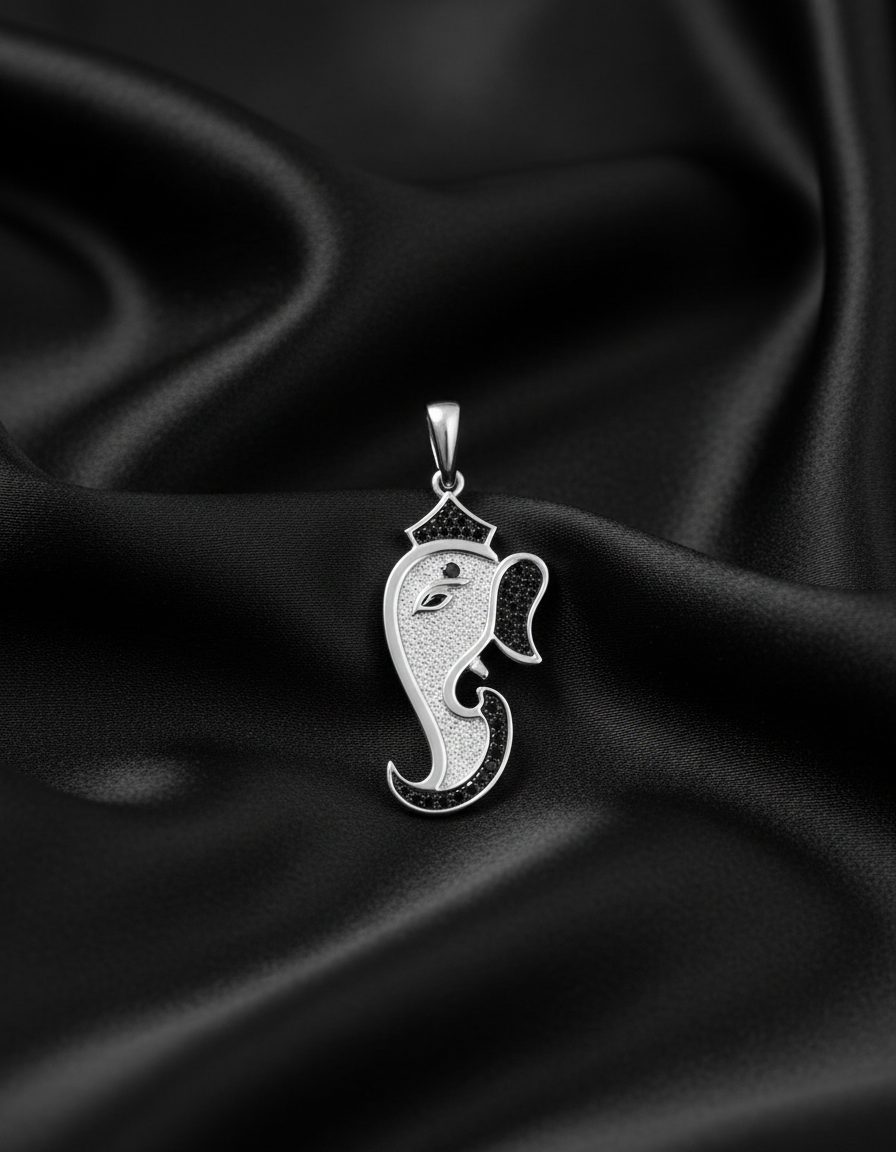
Gold is what most families buy on Dhanteras, silver is just as traditional and costs far less, and in 2026 the day falls on Friday 6 November. Dhanteras opens the five days of Diwali, and for many Indian families it is the one day of the year when buying metal is not just allowed but expected. That tradition brings crowds, queues at jewellers and a wave of "Dhanteras offers". It also brings rushed decisions.
This guide explains what people traditionally buy and why, how gold and silver compare as purchases, what to check before paying, and how to read festival offers. It is written for families buying together and for men buying for themselves, a buyer most festival guides forget. It is not investment advice.
When is Dhanteras in 2026?
Dhanteras falls on Friday, 6 November 2026. According to Drik Panchang's Dhanteras timings for New Delhi, the Trayodashi tithi begins at 10:30 AM on 6 November and ends at 10:47 AM on 7 November. The evening puja muhurat in New Delhi runs from 6:02 PM to 7:57 PM.
Puja timings depend on local sunset, so they shift by city. The table gives the Dhanteras puja muhurat Drik Panchang lists for major cities, in local time.
| City | Dhanteras puja muhurat, 6 November 2026 |
|---|---|
| New Delhi | 6:02 PM to 7:57 PM |
| Mumbai | 6:35 PM to 8:35 PM |
| Pune | 6:32 PM to 8:31 PM |
| Ahmedabad | 6:30 PM to 8:28 PM |
| Bengaluru | 6:25 PM to 8:20 PM |
| Hyderabad | 6:15 PM to 8:13 PM |
| Chennai | 6:14 PM to 8:10 PM |
| Kolkata | 5:28 PM to 7:26 PM |
These are puja timings. Many families shop during the day on Trayodashi and keep the evening for the puja; others follow a separate buying muhurat set by their family priest. If your household follows a specific practice, go by that.
Why do people buy gold and silver on Dhanteras?
Dhanteras, also called Dhantrayodashi, falls on the Trayodashi (thirteenth lunar day) of the dark fortnight before Diwali. The day is associated with Goddess Lakshmi and Lord Kubera, worshipped for wealth, and with Dhanvantari, the deity of Ayurveda, whose birth anniversary is observed on the same day. Many households also light the Yama Deepam, a lamp placed outside the home in the evening.
Buying metal on this day is a widely held custom, understood as inviting prosperity into the home. What is bought varies a great deal by family, region and budget. Gold jewellery and coins are the best-known purchases. Silver coins, often stamped with Lakshmi and Ganesha, are just as common. Many families buy new utensils in steel, brass or copper instead of, or as well as, precious metal.
Practice also varies by region. Drik Panchang notes that in Maharashtra the Diwali festivities begin a day earlier, with Govatsa Dwadashi, and in Gujarat two days earlier. Treat everything here as a description of common practice, not a rule.
What do people buy on Dhanteras, and what should you check?
The table below lists the common purchases, the usual reason, and the check that matters most before paying.
| Purchase | Why people buy it | Check before paying |
|---|---|---|
| Gold coin | Symbolic, low making charge, easy to store | Purity marked on the coin, sealed packaging, invoice |
| Gold jewellery | To wear, often for weddings in the family | BIS logo, purity grade, six-digit HUID, itemised making charge |
| Silver coin | Traditional, affordable, often used in the puja | Purity grade (999 or 925, for example), invoice |
| Silver jewellery or utensils | Wearable or usable, affordable | BIS silver hallmark with purity grade, weight on the invoice |
| Diamond jewellery | A larger purchase timed to the festival | Metal hallmark, stone details in writing, certification if offered |
| Steel, brass or copper utensils | Household custom in many families | Weight and material; no hallmark applies |
Gold coin or gold jewellery?
A coin puts more of your money into metal, because it carries little or no making charge. Jewellery carries making charges, which can be a large share of the price for intricate work, but it can be worn. Our guide to gold making charges explains how jewellers calculate them.
If the purchase is symbolic, a small coin does the job. If it is meant to be worn, buy jewellery you will actually wear, and buy it with the same care as any other day of the year.
Is silver as good as gold on Dhanteras?
In tradition, yes: silver is one of the most customary Dhanteras metals, and many households buy silver every year. In price, silver costs far less per gram, so the same budget buys a larger or more detailed piece.
The practical differences are these. Gold does not tarnish. Silver does, slowly, but it polishes back. And 925 sterling silver is 92.5 percent silver, alloyed for strength, which is why most silver jewellery uses it rather than pure silver.
What about diamonds on Dhanteras?
Diamonds are a newer Dhanteras purchase than gold or silver, and the custom around them is looser. Some families see a diamond piece as part of the same prosperity purchase; others keep the day for metal alone and buy diamonds at another time. Both are common.
If you do buy a diamond piece on the day, the checks double. The metal needs its hallmark, and the stones need to be described in writing: natural or lab-grown, the approximate total carat weight, and whether a grading certificate is available. Natural and lab-grown diamonds are both real diamonds, but they are priced very differently, so the invoice should say which you are paying for.
How to check hallmarks before you pay
Gold jewellery sold by BIS-registered jewellers must carry HUID-based hallmarking. According to the government's notice on mandatory HUID hallmarking, the hallmark has three marks: the BIS logo, the purity in carats and fineness (such as 22K916 for 22 karat), and a six-digit alphanumeric HUID unique to that piece.
- Find the three marks on the piece. A loupe or your phone camera's zoom helps.
- Open the BIS Care app and use Verify HUID.
- Check that the article type and purity shown match your invoice.
- Keep the invoice with the HUID noted on it.
Silver hallmarking in India works differently. It is voluntary, and HUID-based silver hallmarking began on 1 September 2025 under the revised standard IS 2112:2025. Our guides to the 925 silver hallmark and to checking a HUID number go through both in detail.
How to read Dhanteras offers
Festival offers are real, but they are rarely as simple as the headline. Before comparing two jewellers, ask each for the same three numbers:
- The gold or silver rate they are using today, per gram, for the purity you are buying.
- The making charge, as a percentage or per gram, and whether the "discount" is taken off this charge or off the metal.
- The final price including GST, itemised on the estimate.
An offer of reduced making charges on a high making charge can still cost more than a normal charge elsewhere. Compare final prices for the same weight and purity. Also ask about the exchange or buyback terms, since these vary between jewellers and matter if you ever sell or trade the piece in. Rates move daily, so this guide does not quote them.
Buying for yourself: a note for men
Most Dhanteras guides assume a man is buying for his wife or mother. Plenty of men buy for themselves, and the day suits it: a first gold chain, a silver kada, a ring to mark a new job.
The same checks apply. Choose something you will wear daily rather than a showpiece, get your ring or kada size measured before the festival rush, and keep the hallmark details and invoice together. If you are buying a gift for a husband instead, our Diwali gift for husband guide covers the options.
How AXIOM approaches Dhanteras
AXIOM makes men's pieces in 925 sterling silver set with diamonds, with select 18K white gold options, and every piece is made to order at the Bharat Diamond Bourse. Orders are dispatched within 15 to 21 days or by the date agreed at order confirmation, so a piece meant for 6 November needs to be ordered at least three weeks ahead, with courier time on top. Our gifts with meaning and wider gifts pages are a starting point for a festival purchase.
The practical takeaway
Decide first whether the purchase is symbolic or meant to be worn, then choose coin or jewellery accordingly. Buy hallmarked, verify the HUID for gold, compare final prices rather than headline offers, and buy early enough to avoid the evening rush on the day itself.
